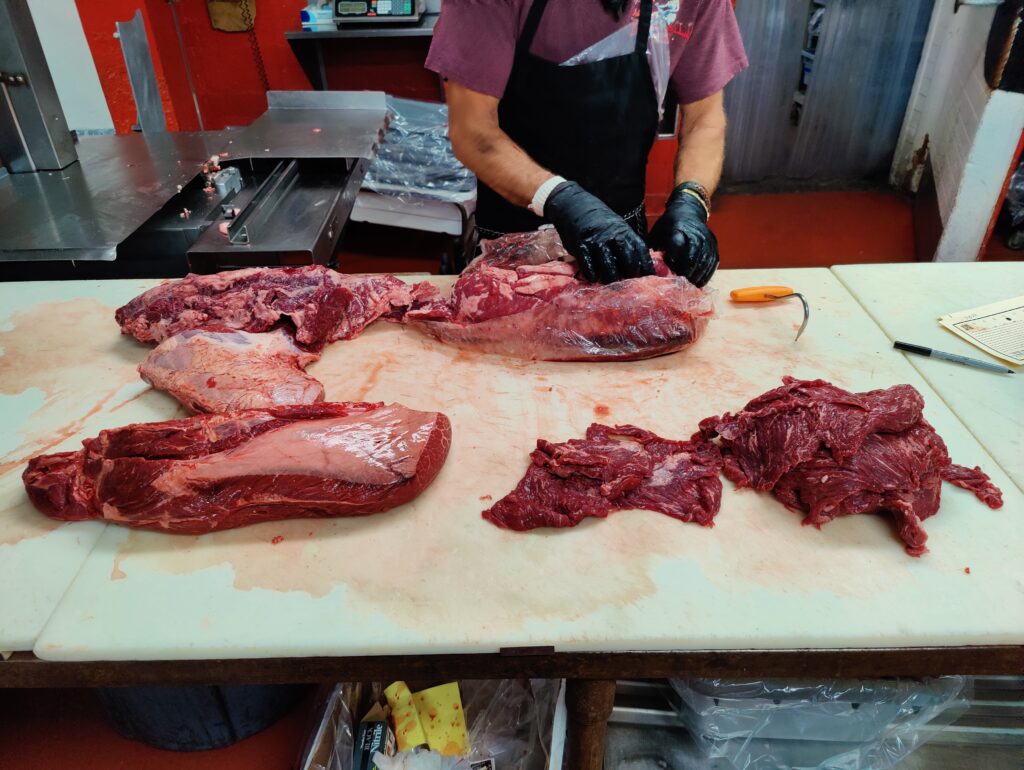
Choosing the right beef can make the difference between a disappointing cookout and a barbecue meal worth remembering. When comparing brisket vs chuck roast vs tri tip, it’s important to understand how these three flavorful cuts perform in a backyard smoker. Each offers distinct advantages, but they differ significantly in tenderness, cooking time, fat content, flavor, and preparation methods.
If you’re researching the best cuts of beef to smoke, understanding these differences is more useful than simply choosing the most popular cut. Brisket rewards patience with traditional barbecue texture, chuck roast offers rich flavor in a manageable size, and tri-tip provides a faster option for people who prefer sliced beef.
At John Mull’s Meats in Las Vegas, customers can explore quality beef selections and get practical guidance for home grilling and smoking. Whether you’re preparing your first smoked roast or improving your backyard BBQ skills, this guide will help you select the right cut for your equipment, schedule, and preferred eating experience.
Which Beef Cut Is Best for Smoking?
Brisket is best for traditional low and slow barbecue, chuck roast is ideal for tender shredded beef, and tri-tip is an excellent choice for a shorter smoking session with a sliceable, steak-like texture. The best option depends on the finished result you’re trying to achieve.
Although all three cuts can develop delicious smoky flavor, they respond differently to heat because of their muscle structure, fat distribution, and connective tissue.
| Feature | Brisket | Chuck roast | Tri-tip |
| Location on the cow | Breast | Shoulder | Bottom sirloin |
| Texture | Tender when cooked slowly | Rich, tender, often shreddable | Firm, steak-like and sliceable |
| Typical smoking approach | Low and slow | Low and slow | Smoke-roast, often with a final sear |
| Common smoker temperature | 225°F to 275°F | 225°F to 275°F | 225°F to 250°F |
| Approximate cooking time | 8 to 16+ hours | 4 to 8 hours | 1.5 to 3 hours |
| Best serving style | Sliced or chopped | Sliced or shredded | Thinly sliced |
| Main advantage | Traditional BBQ experience | Versatility and manageable size | Faster preparation |
Times are planning estimates, not guarantees. Meat thickness, smoker performance, cooking temperature, and desired texture all affect the result.
Brisket: The Traditional Choice for Slow-Smoked Beef
Brisket is one of the most recognizable cuts in American barbecue. Taken from the breast area of the cow, it contains substantial connective tissue that requires extended cooking to become tender.
A whole brisket includes two muscles: the flat and the point. The flat is generally leaner and produces more uniform slices, while the point contains additional fat and offers a richer eating experience.
When smoked properly, brisket develops a dark, flavorful exterior known as bark. The interior becomes tender as collagen breaks down during cooking, creating the texture associated with traditional barbecue.
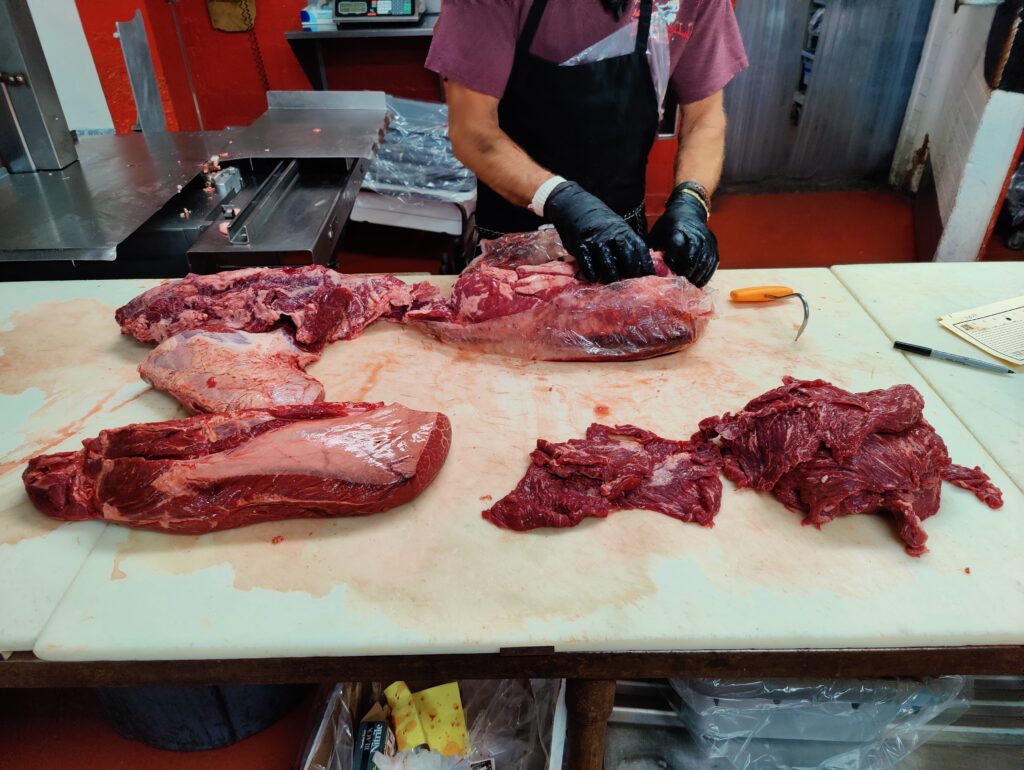
How to Smoke Brisket
Start by trimming excessive surface fat while leaving enough to help protect the meat during cooking. Season with a simple combination of salt, black pepper, and preferred spices, then place the brisket in a smoker heated to approximately 225°F to 275°F.
A large brisket may require eight to sixteen hours or longer, depending on its size and cooking conditions. Many barbecue cooks continue until the meat reaches approximately 195°F to 205°F internally and a temperature probe slides through the thickest portions with little resistance.
These temperatures are tenderness targets for traditional brisket, not USDA minimum safety requirements. Allowing the meat to rest before slicing also helps preserve moisture.
When Should You Choose a Brisket?
Brisket makes sense when you’re feeding several guests, want the experience of traditional slow-smoked barbecue, and have enough time to manage a lengthy smoking session.
It’s less convenient for last-minute meals or smaller households that don’t want substantial leftovers.
For those searching for the best meat for low and slow smoking, brisket remains a strong candidate because extended cooking transforms its naturally tough connective tissue into a satisfying barbecue texture.
Chuck Roast: A Versatile Cut for Backyard Smoking
Chuck roast comes from the shoulder of the cow and contains connective tissue along with varying levels of marbling. These characteristics make it particularly suitable for methods that use indirect heat over several hours.
Often associated with pot roast, chuck also performs well in a smoker. The finished beef can develop a flavorful exterior while remaining tender enough for slicing or shredding. Compared with a whole brisket, chuck roast is generally smaller and easier to accommodate in a backyard smoker.
How to Smoke Chuck Roast
Begin with a roast that has visible marbling and an appropriate thickness for even cooking. Season the surface generously, then smoke at approximately 225°F to 275°F. Cooking times commonly range from four to eight hours, depending on the size and smoker temperature.
For tender pulled beef, many cooks aim for an internal temperature around 195°F to 205°F, checking whether the connective tissue has softened sufficiently. The meat should pull apart easily without becoming dry.
If the exterior begins developing more color than desired, wrapping the roast can help manage moisture and limit further bark formation.
Why Choose Chuck Roast?
Chuck roast is particularly useful for families who want flavorful smoked beef without dedicating an entire day to a large brisket.
It also provides flexibility after cooking. Shredded smoked chuck can be served in sandwiches, tacos, loaded potatoes, or alongside vegetables and classic barbecue dishes.
When comparing brisket vs chuck roast, the main differences involve size, muscle structure, finished texture, and preparation time. Both offer rich beef flavor, but chuck is especially convenient for home cooks who want a smaller smoking project.
Tri-Tip: A Faster Alternative for Smoked Beef
Tri-tip comes from the bottom sirloin and has a triangular shape that distinguishes it from many traditional roasts.
Unlike brisket and chuck roast, tri-tip contains less connective tissue and does not require prolonged cooking to become tender. Its appeal comes from its natural beef flavor, relatively tender texture, and ability to produce attractive slices.
Tri-tip is especially popular with cooks who enjoy combining gentle smoke with the caramelized exterior of grilled beef.
How to Smoke Tri-Tip
Season the roast with salt, pepper, garlic, or a preferred dry rub. Place it in a smoker at approximately 225°F to 250°F and cook using indirect heat.
Because tri-tip is generally smaller and more tender than brisket, the smoking portion often takes around one and a half to three hours.
For additional exterior browning, it can be finished with a brief sear over higher heat. When preparing whole beef cuts, the USDA recommends a minimum internal temperature of 145°F followed by at least three minutes of resting.
Tri-tip has grain running in different directions, making proper slicing essential. Identify the direction of the muscle fibers and cut thinly against the grain for a more tender bite.
When Is Tri-Tip the Better Option?
Tri-tip is an appealing choice when you want smoked beef for dinner but don’t have the time required for brisket.
It also works well for sliced beef sandwiches, family meals, and gatherings where guests prefer a texture closer to steak.
For people comparing tri-tip vs brisket, the distinction is straightforward: tri-tip is naturally more tender and cooks faster, while brisket relies on extended cooking to develop its signature barbecue texture.
Brisket vs. Chuck Roast vs. Tri-Tip: Which Offers the Best Flavor?
Flavor preferences are subjective, and each cut provides a different experience.
Brisket offers the distinctive combination of bark, rendered fat, and tender slices associated with traditional smoked barbecue. The point provides additional richness, while the flat delivers a leaner beef experience.
Chuck roast has a robust, familiar beef flavor. Its marbling and connective tissue contribute to a rich texture, especially when cooked until the meat can be shredded.
Tri-tip offers a more steak-like eating experience. Its flavor is distinctly beefy, while the shorter cooking process preserves a firmer texture than traditional pulled barbecue.
Smoke intensity also depends on wood selection, cooking temperature, and exposure time. A longer smoke doesn’t automatically create a better result, and excessive smoke can produce bitterness.
The best smoked beef is ultimately the cut that delivers the texture and flavor you enjoy while matching your cooking ability.
What Wood Works Best for Smoking These Beef Cuts?
Wood selection influences barbecue flavor, but there’s no single wood that works best for every cut. Oak is a versatile choice for beef, producing a balanced smoky character suitable for brisket, chuck roast, and tri-tip.
Hickory provides a stronger flavor that works especially well with rich cuts. It can complement brisket and chuck roast, although heavy smoke may overwhelm smaller portions.
Pecan offers a somewhat milder character, while fruitwoods such as apple or cherry can provide a lighter smoke profile.
For beginners, oak is a practical starting point because it complements the natural flavor of beef without requiring an especially complicated approach.
Regardless of wood choice, maintaining clean combustion and consistent airflow is more important than producing thick clouds of smoke. A controlled fire helps prevent harsh flavors from dominating the finished meat.
Common Mistakes When Smoking Beef
Even experienced home cooks can encounter problems when preparing unfamiliar cuts. Most mistakes involve temperature control, insufficient resting, or using the wrong cooking method.
Cooking every cut the same way: Brisket, chuck roast, and tri-tip have different muscle structures. Tri-tip generally benefits from shorter cooking, while brisket requires significantly more time.
Relying only on the clock: Cooking estimates are helpful for planning, but internal temperature and texture provide better information about doneness.
Skipping the resting period: Cutting meat immediately after cooking can increase moisture loss. Allowing the beef to rest helps improve the final eating experience.
Slicing with the grain: Long muscle fibers can make beef seem tougher. Cutting across the grain shortens those fibers and improves tenderness.
Using excessive smoke: More smoke is not always better. A balanced flavor should enhance the beef rather than conceal it.
Understanding these details can improve consistency regardless of which cut you choose.
How to Choose the Right Beef at a Las Vegas Butcher Shop
Selecting good beef to smoke begins before you light the smoker. The size, shape, marbling, and condition of the cut influence how it will cook.
At a butcher shop, begin by explaining the kind of meal you’re preparing. A whole brisket may suit a large gathering, while chuck roast could work better for a smaller household. Tri-tip may be preferable when cooking time is limited.
Ask about the cut’s thickness, trimming requirements, and whether it fits your smoker. You can also discuss how many servings you need and what texture you’re hoping to achieve.
John Mull’s Meats, a longstanding Las Vegas meat market, offers quality meat selections and practical guidance for home cooking. The team can help customers explore beef cuts and understand preparation options based on their needs. Since availability varies, contact the shop to confirm specific cuts, including tri-tip, before making a special trip.
Frequently Asked Questions About the Best Beef Cuts for Smoking
Is brisket or chuck roast easier to smoke?
Chuck roast is generally more manageable for beginners because it’s smaller and typically requires less time than a whole brisket. However, both benefit from controlled heat, patience, and careful attention to tenderness.
Can you smoke tri-tip like brisket?
Tri-tip can be smoked, but it shouldn’t automatically be cooked like brisket. It has less connective tissue and is typically prepared as a smoked roast rather than cooked until shreddable.
What are the best cuts of beef to smoke for beginners?
Chuck roast and tri-tip are useful starting points. Chuck roast teaches low and slow cooking, while tri-tip provides an opportunity to practice smoke-roasting, temperature monitoring, and slicing.
What internal temperature should smoked beef reach?
The USDA recommends cooking whole beef steaks and roasts to at least 145°F with a three-minute rest. Brisket and pulled chuck roast are commonly cooked to substantially higher temperatures to achieve their desired tenderness.
Where can I buy beef for smoking in Las Vegas?
John Mull’s Meats is located at 3730 Thom Blvd, Las Vegas, NV 89130. Customers can explore beef selections and ask about suitable cuts for smoking, grilling, and other cooking methods.
Find the Right Beef for Your Next Las Vegas BBQ
Brisket, chuck roast, and tri-tip each offer something different for barbecue enthusiasts. Brisket delivers traditional low and slow results, chuck roast provides rich flavor and versatile serving options, and tri-tip is an excellent choice when you want smoked beef in less time.
The right selection depends on your preferred texture, number of guests, experience, and available cooking time. Understanding those differences helps you plan a more successful barbecue instead of choosing meat based on popularity alone.
At John Mull’s Meats, customers can explore quality beef options and receive guidance for their next backyard cookout.
Visit the John Mull’s Meats website or stop by 3730 Thom Blvd, Las Vegas, NV 89130. For current meat availability and product questions, call (702) 645-1200. Whether you’re preparing your first smoked roast or refining a favorite recipe, choosing the right cut is the first step toward better barbecue.