When people search for smoked meats in Las Vegas, they are usually looking for more than meat with a smoky flavor. They want tenderness, seasoning, texture, and the deep barbecue character that comes from time spent over controlled heat. That is where slow-smoked barbecue separates itself from food that is simply cooked quickly and covered with sauce.
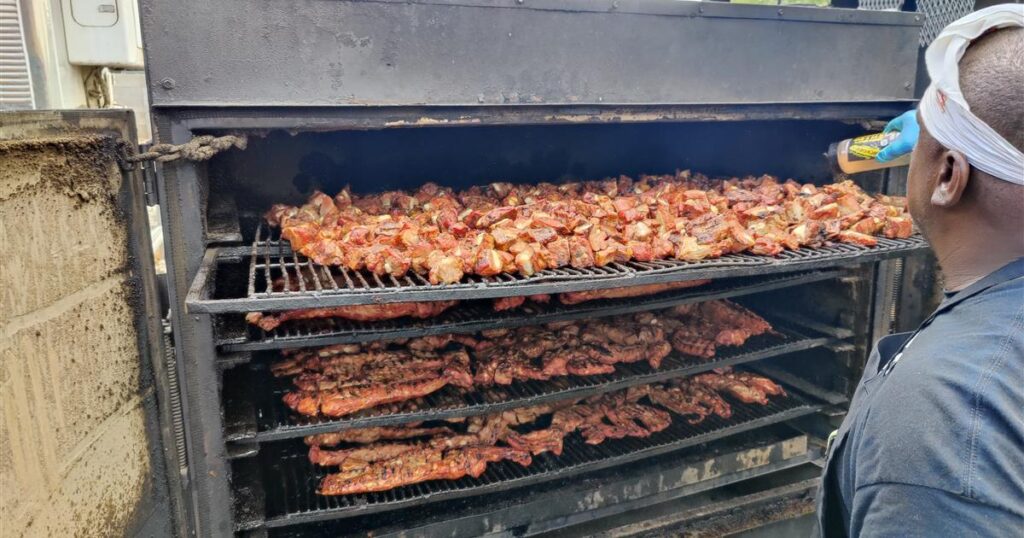
At John Mull’s Road Kill Grill in Las Vegas, slow smoking is part of the process behind the barbecue experience. The business has decades of meat knowledge behind it, and some meats, including brisket, can cook for up to 16 hours. That long cooking window is not about making customers wait. It is about giving tougher cuts time to transform.
So why does slow-smoked meats and BBQ often taste better than fast-cooked barbecue? The answer involves more than smoke. Fat has time to render, connective tissue softens, seasoning develops into a flavorful exterior, and the meat cooks gradually instead of being rushed by intense heat.
What Is Slow-Smoked Barbecue?
Slow-smoked meats and barbecue uses relatively low, controlled heat over a long period. Instead of trying to finish a large cut as quickly as possible, the goal is to create conditions where the meat, seasoning, heat, and smoke can work together.
This method is especially useful for cuts such as brisket and ribs. These meats contain connective tissue and fat that need time to soften and render. High heat can cook the outside before the inside has had enough time to become tender. Slow cooking gives the entire cut more opportunity to change gradually.
Slow smoking is not always better. Steaks, burgers, and thin cuts may benefit from faster cooking at higher heat. Traditional barbecue cuts are different, which is why authentic BBQ is often more about control than speed.
Why Time Changes the Texture of BBQ
One of the biggest differences between slow-smoked barbecue and fast-cooked meat is texture. Brisket is a good example. It comes from a heavily worked part of the animal, so the meat contains substantial connective tissue. If brisket is rushed, it can become cooked without becoming tender. The outside may look finished while the interior still feels tough.
During a longer cook, connective tissue gradually breaks down and collagen converts into gelatin. That helps create the soft, rich texture people associate with properly prepared brisket. Fat also has time to render, contributing richness instead of remaining in firm pockets.
At Road Kill Grill, brisket can be slow-cooked for up to 16 hours. The point is not the number alone. It is the patience required to let the meat reach the texture the pitmaster is looking for.
Smoke Builds Flavor in Layers
The phrase smoked meats sounds simple, but smoke flavor is not created by exposing meat to smoke for as long as possible. Good barbecue depends on balance.
Early in the cooking process, the cooler, moist surface of the meat can take on a smoky character efficiently. As the exterior dries and develops, the way the surface interacts with smoke changes. A long barbecue cook is not simply about making meat increasingly smoky. It is about building smoke flavor alongside seasoning, rendered fat, and the natural flavor of the meat.
Too little smoke can leave barbecue tasting flat. Too much can overpower the meat. The goal is balanced smoke.
The Bark Is Part of the Experience
For many smoked meats and barbecue fans, the outside of brisket or another smoked cut can be as important as the center. That flavorful exterior is commonly called bark. It develops as seasoning, surface moisture, smoke, and heat interact over time. The result adds concentrated seasoning, texture, and contrast to each bite.
Fast cooking does not give the exterior the same opportunity to develop. A rushed piece of meat may brown, but browning alone is not the same as the layered exterior produced during a long smoke. Slow-smoked barbecue allows the outside to develop while the inside continues becoming tender.
At John Mull’s Road Kill Grill, owner Chuck Frommer’s seasoning process has long been part of the barbecue story. The meats are prepared with distinctive seasoning blends, adding another layer of flavor before and during the smoking process.
Why Fast-Cooked Barbecue Tastes Different
Fast cooking has important uses. Direct high heat is excellent for foods designed to cook quickly, and there is nothing inherently inferior about grilling. The problem comes when the cooking method does not match the cut.
Trying to cook a brisket like a steak changes the result. High heat can quickly firm proteins and cook the exterior while connective tissue inside still needs more time. Sauce can add sweetness, acidity, spice, or smoke flavor, but it cannot replace the physical changes that happen during a long cook.
That is why simply adding barbecue sauce to quickly cooked meat does not create the same experience as slow-smoked barbecue. Authentic BBQ depends on the process as much as the seasoning.
Why Brisket Is a Test of Patience
Few meats illustrate the value of slow cooking as clearly as brisket. Reaching the right balance takes patience. Smoked meats like brisket cook too quickly and connective tissue may remain tough. Cook it poorly for too long and moisture can be lost. Strong barbecue requires managing time, temperature, seasoning, and the condition of the meat throughout the cook.
Road Kill Grill’s approach reflects the meat expertise associated with John Mull’s Meats. The butcher-shop side of the business gives the brand a long relationship with selecting, preparing, and understanding meat, while Road Kill Grill turns that knowledge into prepared barbecue.
That connection is part of what makes the Las Vegas BBQ experience distinctive. For anyone searching for brisket in Las Vegas, this is an important distinction. Great brisket is not simply about putting beef into a smoker. The process requires understanding how the meat responds as it cooks and knowing when texture, moisture, bark, and flavor have reached the right balance.
Slow-Smoked Meats and the Las Vegas BBQ Experience
Road Kill Grill is located at 3730 Thom Blvd and has become known for slow-smoked barbecue served away from the Strip. It has also been featured on Food Network’s Diners, Drive-Ins and Dives with Guy Fieri, bringing national attention to a business with deep Las Vegas roots.
For locals and visitors searching for smoked meats in Las Vegas, the focus stays on the meat, the process, and the local experience.
This is also where John Mull’s history matters. The business began with meat processing decades ago and developed through generations of the Mull family. That experience with meat selection, cutting, seasoning, and preparation gives Road Kill Grill a foundation that goes beyond operating a barbecue counter.
The relationship between the meat market and Road Kill Grill creates a direct connection between understanding the raw product and preparing it for customers.
What Makes Slow-Smoked BBQ Taste Better?
For traditional barbecue cuts, several things happen during a long cook that cannot be recreated simply by turning up the heat:
Connective tissue has time to soften.
Fat has time to render gradually.
Smoked meats and flavor develops alongside the natural flavor of the meat.
Seasoning has time to form a concentrated exterior.
Large cuts cook more gradually from outside to center.
The final texture can become tender without losing the identity of the cut.
These factors work together. No single trick creates great barbecue. Two pieces of smoked meat can taste different even after the same cook time. Meat quality, trimming, seasoning, heat control, smoke, moisture, and pit management all influence the result. Time matters, but skill matters with it.
This is why low-and-slow cooking and smoked meats remains such an important part of traditional barbecue. The extra time is not simply tradition for tradition’s sake. It gives the cook more opportunity to develop the characteristics diners associate with well-prepared slow smoked barbecue.
Why Meat Quality Still Matters
A smoker cannot fix poor meat. Slow cooking and smoked meats can transform tough cuts, but the starting product still matters. Meat quality, fat distribution, trimming, and preparation all influence the finished result.
This is another area where John Mull’s Meats and Road Kill Grill have a natural connection. John Mull’s operates as a long-standing Las Vegas meat market offering beef, pork, poultry, seasonings, sauces, and other products for home cooks. Road Kill Grill applies meat knowledge to prepared barbecue.
That connection helps explain why the brand is associated with both quality meats Las Vegas shoppers can take home and smoked meats customers can enjoy ready to eat. For home barbecue cooks, the same principle applies. Start with the right cut, understand how it needs to be cooked, season it thoughtfully, and give the process enough time.
Frequently Asked Questions About Slow-Smoked BBQ
Why does smoked meat taste different from grilled meat?
Smoking and smoked meats cooks meat more gradually and exposes it to smoke over a longer period. Grilling generally uses higher, more direct heat. Both can produce excellent food, but traditional barbecue cuts often benefit from the extra time involved in smoking.
How long does brisket take to smoke?
Cooking time depends on the size of the brisket, cooking temperature, equipment, and the meat itself. At Road Kill Grill, brisket can be slow-cooked for up to 16 hours.
Is slow-smoked barbecue always more tender?
Not automatically. Smoked meats alone take time and does not guarantee tenderness. The cut, temperature, fat, connective tissue, moisture, and cooking technique all matter. Slow cooking creates the conditions many traditional barbecue cuts need to become tender.
Where can I find smoked meats in Las Vegas?
Road Kill Grill at John Mull’s Meats serves smoked meats and slow-smoked barbecue at 3730 Thom Blvd in Las Vegas. Road Kill Grill operates Monday through Saturday and is closed Sundays. Customers should confirm current hours before visiting.
What should I try if I want authentic BBQ?
Brisket is a strong choice for experiencing low-and-slow cooking. It highlights smoke, seasoning, bark, rendered fat, and tenderness in a way that makes the cooking process easy to appreciate.
Taste the Difference at Road Kill Grill
For diners looking for the best BBQ Las Vegas has to offer, the reason slow smoked meats and barbecue often tastes better is not a secret ingredient. It comes from time, meat knowledge, seasoning, controlled heat, smoke, and patience.
For smoked meats and barbecue cuts such as brisket and ribs, rushing the process can mean missing the texture and depth that make traditional BBQ worth seeking out. Slow cooking gives the meat time to transform while smoke and seasoning build character around it.
At John Mull’s Road Kill Grill, that approach is backed by generations of meat experience and a Las Vegas history that reaches far beyond a single menu item. If you are searching for smoked meats in Las Vegas, brisket, or an authentic BBQ experience away from the Strip, visit Road Kill Grill at 3730 Thom Blvd and taste what happens when barbecue is given the time it deserves.
Plan Your Visit
Explore the John Mull’s Meat Market menu, learn more about Road Kill Grill, or review BBQ catering options.
For food-safety guidance related to handling and cooking meat, review the USDA food-safety resource.